Profitez de la livraison GRATUITE avec un achat de 300$+ avant taxes.
Honey and Allergies: What You Need to Know
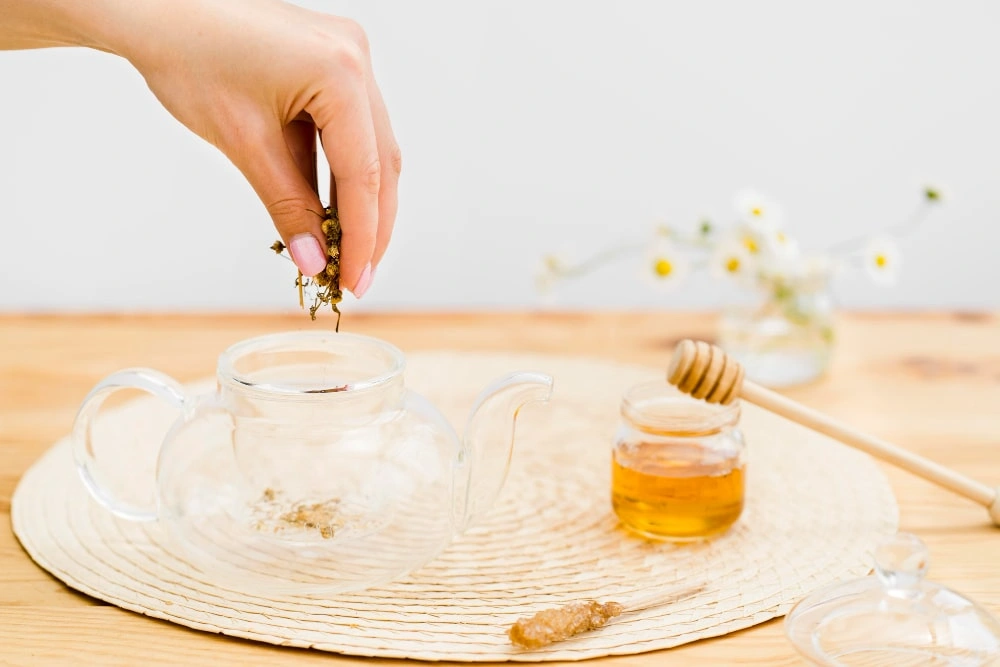 Honey is often associated with natural wellness, especially during allergy season. Some people believe that local honey may help the body adapt to local pollen. However, it is important to understand what honey can and cannot do when it comes to allergies.
Honey may offer soothing benefits for the throat and can be part of a comforting routine, but it should not be considered a proven treatment for seasonal allergies. Allergy organizations note that the pollens responsible for allergic rhinitis are often windborne, while bees mainly collect flower pollen, which means honey does not necessarily contain the specific allergens responsible for most seasonal allergies.
What Are Seasonal Allergies?
Seasonal allergies, also called hay fever or allergic rhinitis, occur when the immune system reacts to allergens such as pollen, grasses, trees, weeds, or mold spores.
Common symptoms may include:
- Sneezing
- Runny or stuffy nose
- Itchy eyes
- Watery eyes
- Itchy throat
- Coughing
- Fatigue
These symptoms can vary depending on the season, the region, and the type of allergen involved.
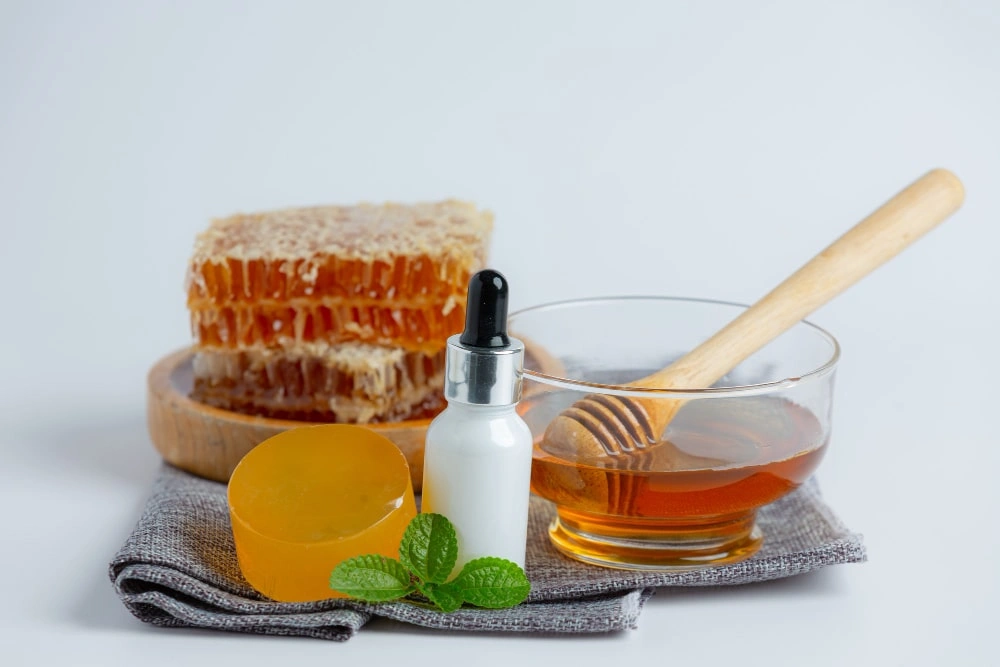 Can Honey Help with Allergies?
The idea behind using local honey for allergies is that small amounts of pollen in honey could help the body build tolerance over time. However, this theory has not been strongly supported by scientific evidence.
The American Academy of Allergy, Asthma & Immunology explains that many pollens that cause allergic rhinitis, such as grasses and certain trees, are windborne rather than bee-pollinated. As a result, honey may not contain the right pollen in the right amount to act like allergy immunotherapy.
Honey can still be enjoyed as a natural food and may help soothe the throat, but it should not replace proven allergy treatments or medical advice.
Honey as a Soothing Ingredient
Even if honey is not a proven allergy treatment, it can still be useful in everyday comfort routines.
For Throat Irritation
Honey has a smooth texture that coats the throat and may help calm irritation caused by coughing or dryness.
In Warm Drinks
Honey can be added to herbal tea, lemon water, or ginger infusions to create a comforting drink during allergy season.
As a Natural Sweetener
Honey can replace refined sugar in certain recipes and drinks while adding aroma and flavor.
Can Honey Cause Allergic Reactions?
Although honey is safe for many people, allergic reactions are possible. Honey may contain pollen, plant particles, or bee-related components that can trigger symptoms in sensitive individuals.
Possible symptoms of a honey allergy may include:
- Itching
- Swelling
- Hives
- Rash
- Sneezing
- Runny nose
- Watery eyes
- Throat irritation
- Difficulty breathing in rare severe cases
Mayo Clinic notes that some people can be sensitive or allergic to honey, and that bee pollen in honey can rarely cause serious reactions.
Who Should Be Careful with Honey?
Certain people should be especially cautious before consuming honey.
People with Severe Pollen Allergies
If you have strong pollen allergies or have reacted to bee products before, speak with a healthcare professional before trying raw or local honey.
People Allergic to Bee Products
People who are allergic to propolis, royal jelly, bee pollen, or other hive products should be careful with honey and related products.
Children Under One Year Old
Honey should never be given to babies under 12 months because of the risk of infant botulism.
People with Asthma or Severe Allergic Reactions
Anyone with a history of severe allergic reactions, breathing difficulty, or anaphylaxis should be cautious and ask a healthcare professional before consuming honey as part of an allergy routine.
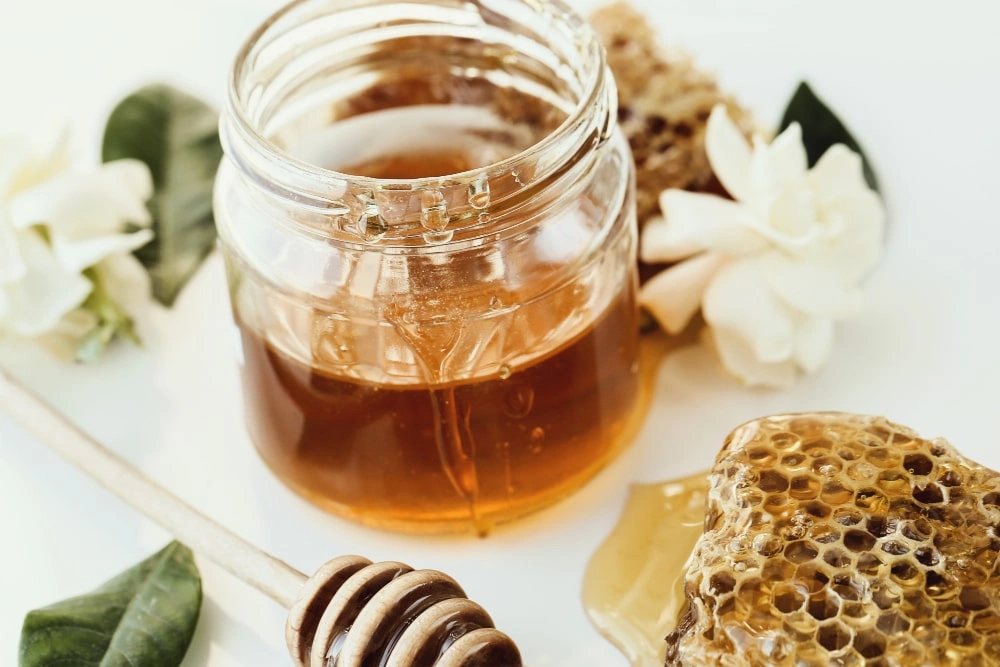 Local Honey and Allergies
Local honey is often appreciated for its freshness, traceability, and connection to the region where it is harvested. It may contain small traces of local plant material and pollen, but this does not mean it can reliably treat seasonal allergies.
Local honey can still be a delicious choice for taste, quality, and supporting local beekeepers. It should simply be presented as a food, not as a guaranteed allergy remedy.
Raw Honey and Allergies
Raw honey is less processed and may contain more natural particles such as pollen, enzymes, and aromatic compounds. Some people prefer raw honey for its flavor and natural character.
However, because raw honey may contain more pollen or plant particles, people with allergies should introduce it carefully and monitor their reaction.
How to Use Honey Safely During Allergy Season
Start Small
If you are trying a new honey, start with a small amount to see how your body reacts.
Avoid Honey If You Have Reacted Before
If you have experienced itching, swelling, hives, breathing problems, or other symptoms after eating honey, avoid it and seek medical advice.
Do Not Replace Allergy Medication
Honey should not replace antihistamines, nasal sprays, allergy shots, or other treatments recommended by a healthcare professional. Mayo Clinic lists several nonprescription options that can help ease seasonal allergy symptoms, including oral antihistamines, nasal sprays, and eye drops.
Choose Quality Honey
Choose pure honey with no added syrups or artificial ingredients. Local honey can be an excellent choice for flavor and traceability.
Honey, Lemon, and Ginger Drink
This simple drink can be enjoyed for comfort during allergy season.
Ingredients
- 1 cup warm water
- 1 tablespoon honey
- Juice of half a lemon
- A few slices of fresh ginger
Instructions
- Infuse the ginger in warm water for 5 to 10 minutes.
- Add the lemon juice.
- Let the drink cool slightly.
- Add the honey and mix well.
- Drink warm.
Important Precautions
Honey is a natural food, but it is still a source of sugar and should be consumed in moderation.
It should not be used to diagnose, treat, or cure allergies. Anyone with severe allergies, asthma, immune conditions, diabetes, or a history of anaphylaxis should ask a healthcare professional before using honey as part of a wellness routine.
 Conclusion
Honey can be a comforting natural ingredient during allergy season, especially in warm drinks or soothing recipes. However, it is not a proven treatment for seasonal allergies and should not replace medical care or allergy medication.
For most people, honey can be enjoyed in moderation as a flavorful food. For people with pollen sensitivity, bee product allergies, asthma, or severe allergic reactions, caution is important. Choosing quality honey and using it responsibly is the best approach.
FAQ
Can local honey cure seasonal allergies?
No. Local honey is not a proven cure for seasonal allergies. It may be enjoyed as a food, but it should not replace medical treatment.
Why do people think honey helps allergies?
Some people believe local honey contains pollen that may help the body build tolerance. However, most seasonal allergy pollens are windborne and may not be present in honey in meaningful amounts.
Can honey cause allergies?
Yes. Some people may react to honey because it can contain pollen, plant particles, or bee-related substances.
Is raw honey better for allergies?
Raw honey may contain more natural particles, but that does not mean it is a proven allergy treatment. People with allergies should use caution.
Can children eat honey?
Children over one year old can usually eat honey, but babies under 12 months should never consume honey.
What is the safest way to try honey if I have allergies?
Start with a very small amount, avoid it if you have reacted before, and ask a healthcare professional if you have severe allergies, asthma, or a history of anaphylaxis.
Display prices in:CAD