Profitez de la livraison GRATUITE avec un achat de 300$+ avant taxes.
The Anti-Inflammatory Virtues of Honey
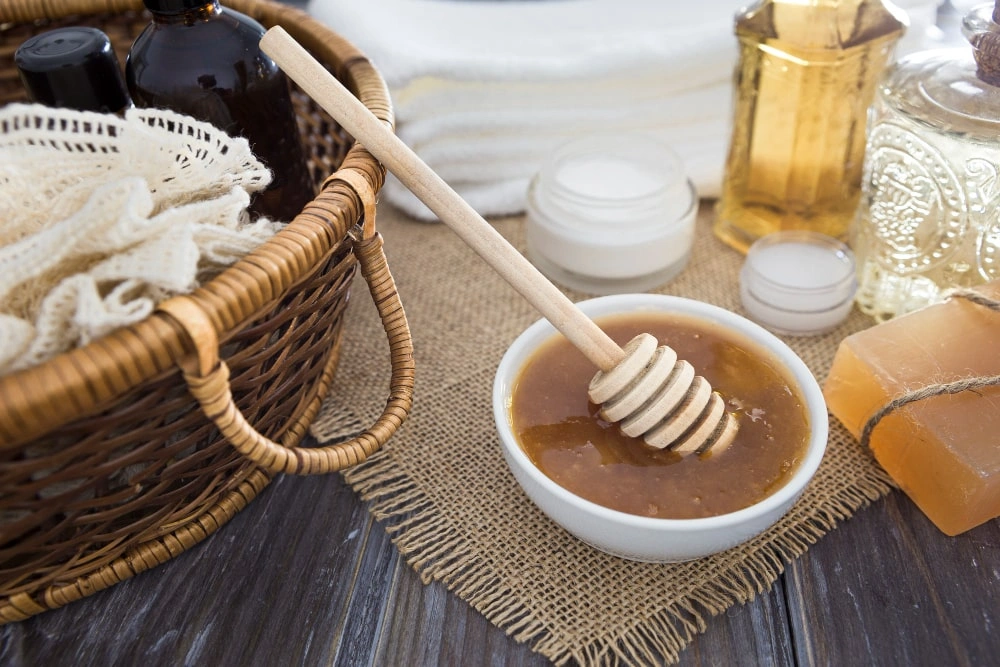 Honey is a natural food appreciated for its sweet taste, soothing texture, and traditional wellness uses. Beyond its role as a natural sweetener, honey contains bioactive compounds such as antioxidants, flavonoids, phenolic acids, enzymes, and trace elements that may contribute to its anti-inflammatory potential.
Scientific reviews suggest that honey may have antioxidant, antimicrobial, and anti-inflammatory properties, although it should not be considered a medical treatment or a replacement for professional healthcare.
What Is Inflammation?
Inflammation is a natural defense reaction of the body. It helps protect tissues against injury, infection, irritation, or stress. In the short term, inflammation is useful and necessary for healing.
However, when inflammation becomes chronic or excessive, it may contribute to discomfort and be associated with various health concerns. This is why many people look for natural foods and lifestyle habits that can support overall wellness.
 Why Is Honey Associated with Anti-Inflammatory Benefits?
Honey contains several natural compounds that may help explain its traditional use in wellness routines.
Antioxidants
Honey contains antioxidants such as flavonoids and polyphenols. These compounds help protect cells from oxidative stress, which is closely linked to inflammation.
Phenolic Compounds
Phenolic compounds are naturally present in honey and contribute to its color, aroma, and biological activity. Darker honeys often contain higher levels of these compounds.
Enzymes
Bees add enzymes to nectar during the transformation process. These enzymes contribute to the natural composition and quality of honey.
Natural Acidity and Low Moisture
Honey’s natural acidity and low water content help support its stability and contribute to its well-known antimicrobial properties.
Honey and Oxidative Stress
Oxidative stress occurs when there is an imbalance between free radicals and the body’s natural defenses. Antioxidants help neutralize free radicals and support cellular protection.
Because honey contains antioxidant compounds, it may help support the body’s natural balance when consumed as part of a healthy lifestyle. Research reviews have linked honey’s bioactive compounds to antioxidant and anti-inflammatory effects.
 Honey and Throat Irritation
Honey is often used to soothe throat irritation. Its smooth texture helps coat the throat and provide a comforting sensation, especially during colder seasons.
It can be added to warm water, herbal tea, lemon, or ginger infusions. To preserve its delicate aromas, add honey to warm rather than boiling liquids.
Honey and Skin Comfort
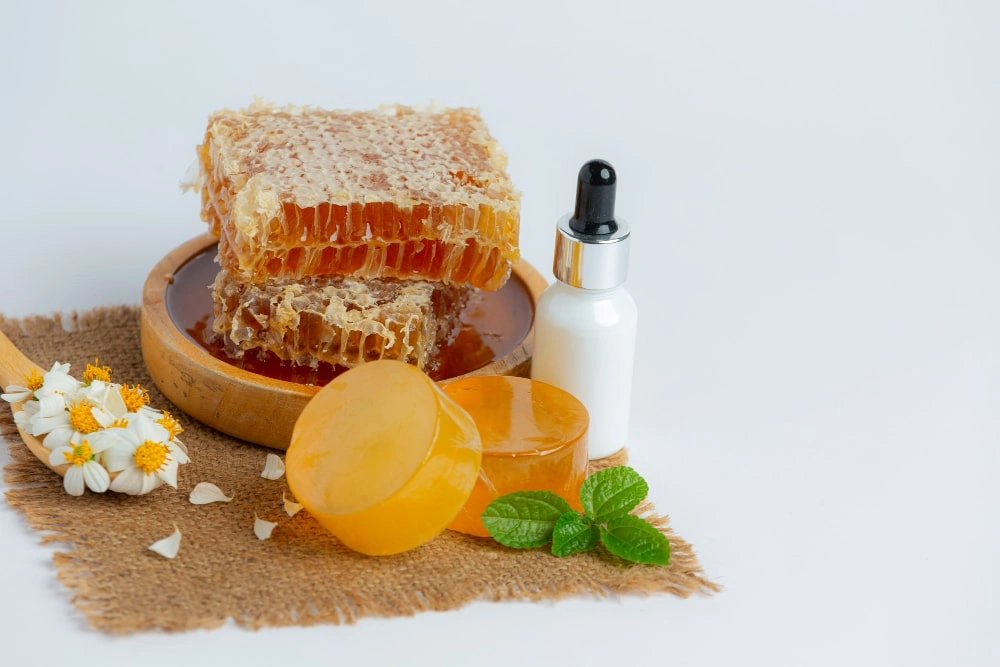
Honey has long been used in skincare because of its moisturizing, soothing, and skin-supporting properties. It can help calm the feeling of dryness and irritation while leaving the skin soft and hydrated.
Some research has also explored honey’s role in wound care and inflammation reduction when applied topically, but medical use should always be guided by a healthcare professional, especially for burns, wounds, infections, or chronic skin conditions.
Honey and Digestive Comfort
Honey is sometimes used in traditional routines to support digestive comfort. Its natural enzymes, texture, and mild sweetness make it easy to include in warm drinks or simple recipes.
However, honey should not be presented as a treatment for digestive inflammation or medical conditions. Anyone with persistent symptoms should consult a healthcare professional.
How to Use Honey in a Wellness Routine
In Warm Drinks
Add honey to herbal tea, lemon water, ginger tea, or thyme infusion for a comforting drink.
In Breakfasts
Use honey on oatmeal, yogurt, toast, pancakes, or fruit bowls.
In Homemade Recipes
Honey can be used in dressings, marinades, sauces, desserts, energy bites, and baked goods.
With Lemon and Ginger
Honey, lemon, and ginger are often combined in seasonal wellness drinks.
Simple Recipe
- 1 cup warm water
- 1 tablespoon honey
- Juice of half a lemon
- A few slices of fresh ginger
Let the ginger infuse in warm water, add lemon juice, let cool slightly, then stir in the honey.
 Choosing the Right Honey
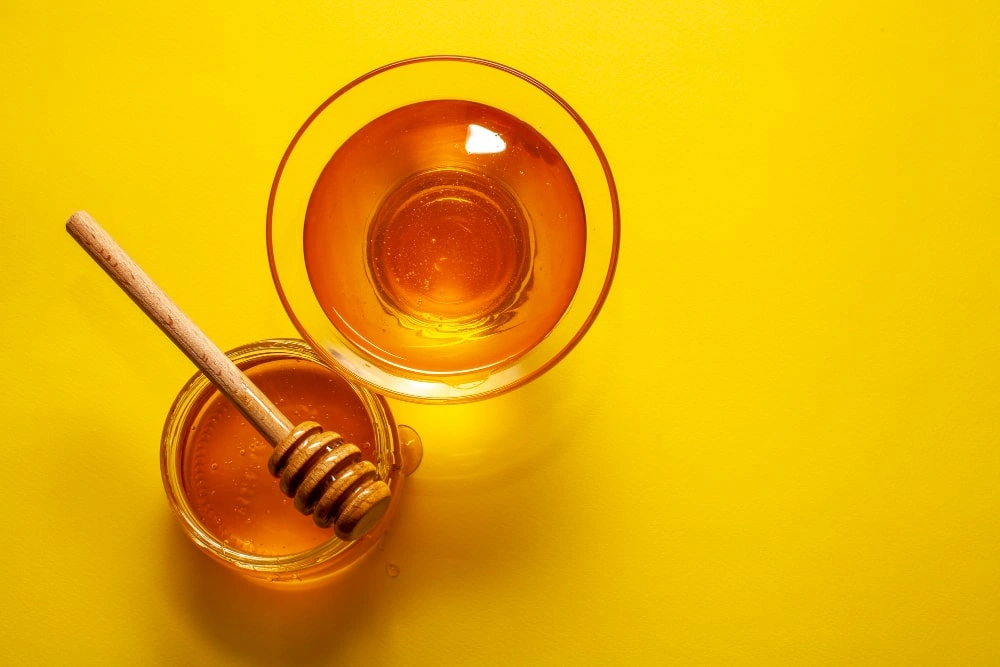
To enjoy honey’s natural qualities, choose pure honey with no added syrups or artificial ingredients. Local honey is often appreciated for its freshness, traceability, and unique floral profile.
Raw or minimally processed honey may preserve more of its natural aromas and compounds. Darker honeys are often richer in antioxidant compounds and have a stronger taste.
Important Precautions
Honey is natural, but it is still a source of sugar and should be consumed in moderation.
Honey should never be given to children under one year old because of the risk of infant botulism.
People with diabetes, allergies to bee products, immune disorders, chronic inflammation, digestive conditions, or specific medical concerns should ask a healthcare professional before using honey as part of a wellness routine.
Honey should not replace medication, medical treatments, or professional advice.
Conclusion
Honey is a valuable natural food with a rich composition and many traditional uses. Thanks to its antioxidants, phenolic compounds, soothing texture, and natural properties, it may contribute to overall wellness and support a balanced lifestyle.
Its anti-inflammatory potential is promising, but honey should be used responsibly, in moderation, and without replacing medical care. Choosing a pure, high-quality honey is the best way to enjoy its natural flavor and beneficial qualities.
FAQ
Does honey have anti-inflammatory properties?
Honey contains bioactive compounds such as antioxidants, flavonoids, and phenolic acids that may contribute to anti-inflammatory effects, but it should not be considered a medical treatment.
Which honey is best for anti-inflammatory benefits?
Darker honeys often contain more antioxidant compounds. However, the best choice is a pure, high-quality honey with no added syrups.
Can honey soothe the throat?
Yes. Honey is often used to soothe throat irritation thanks to its smooth texture and comforting effect.
Can honey be applied to the skin?
Honey is commonly used in natural skincare, but wounds, burns, infections, or serious skin conditions should be treated with guidance from a healthcare professional.
Can honey replace medication?
No. Honey should never replace medication, medical treatment, or professional healthcare advice.
Is honey safe for everyone?
Honey is safe for many people, but it should not be given to children under one year old. People with diabetes, allergies, or medical conditions should use caution.
Display prices in:CAD