Profitez de la livraison GRATUITE avec un achat de 300$+ avant taxes.
How to Store Honey Properly: Practical Tips
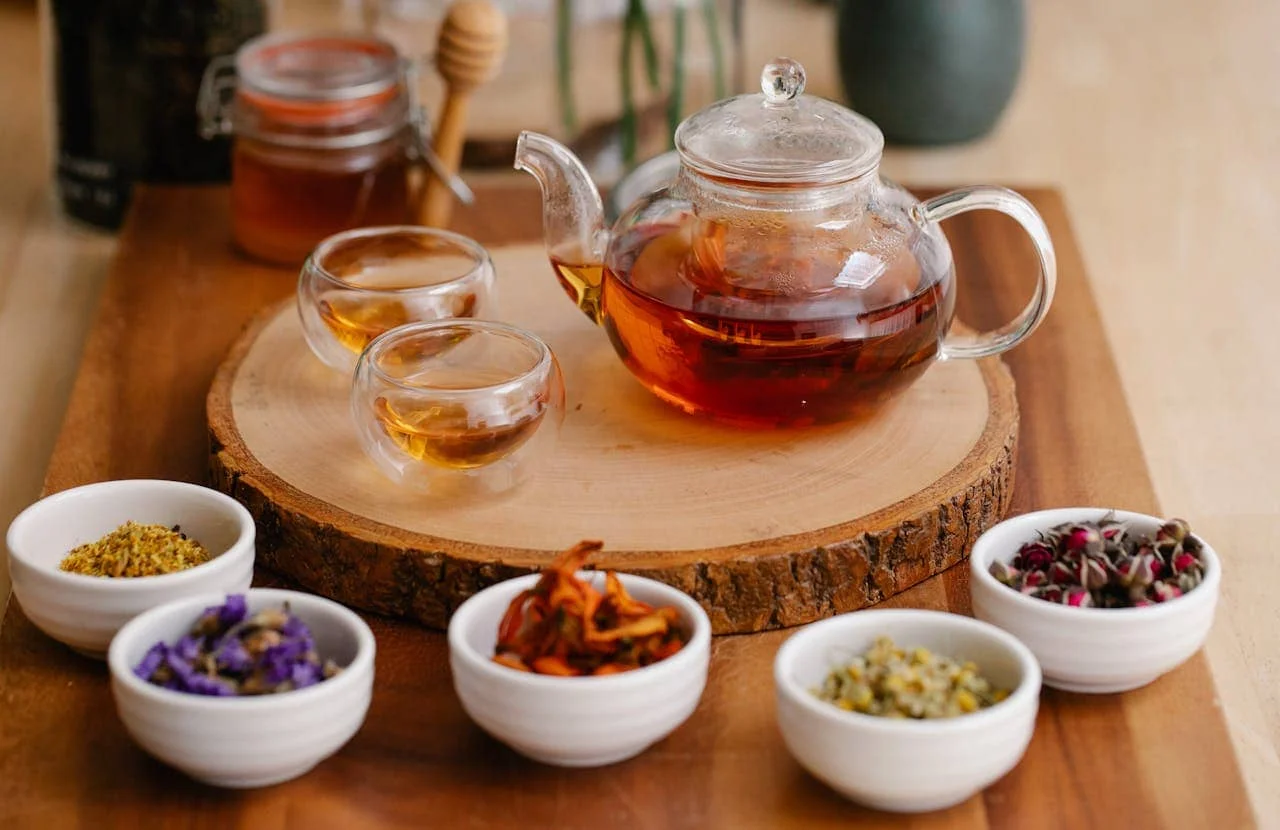 Discover how to store honey properly with practical tips. Learn the best honey storage methods to preserve its quality and help prevent crystallization.
Introduction
Honey is a natural product appreciated for its many taste and wellness qualities. However, storing it properly can sometimes be a challenge. Poorly stored honey may crystallize faster or lose some of its natural properties. In this article, we share practical tips to help you store honey correctly and preserve its quality over the long term. Whether you are a beekeeper or simply a honey lover, these tips will help you protect this precious natural nectar.
The Importance of Proper Honey Storage
Proper honey storage is essential to maintain its nutritional qualities, flavor, and texture. When stored correctly, honey can last for a very long time while preserving its natural characteristics. The way honey is stored plays an important role in its shelf life and overall quality.
Ideal Temperature for Storing Honey
Honey should be kept at a stable, moderate temperature. The ideal temperature for storing honey is between 10 and 20 degrees Celsius. Temperatures that are too high can alter its natural properties, while very low temperatures may encourage crystallization.
Why Avoid Extreme Temperatures?
Extreme temperatures affect the chemical composition of honey. Excessive heat can damage beneficial enzymes and nutrients, while intense cold can accelerate crystallization.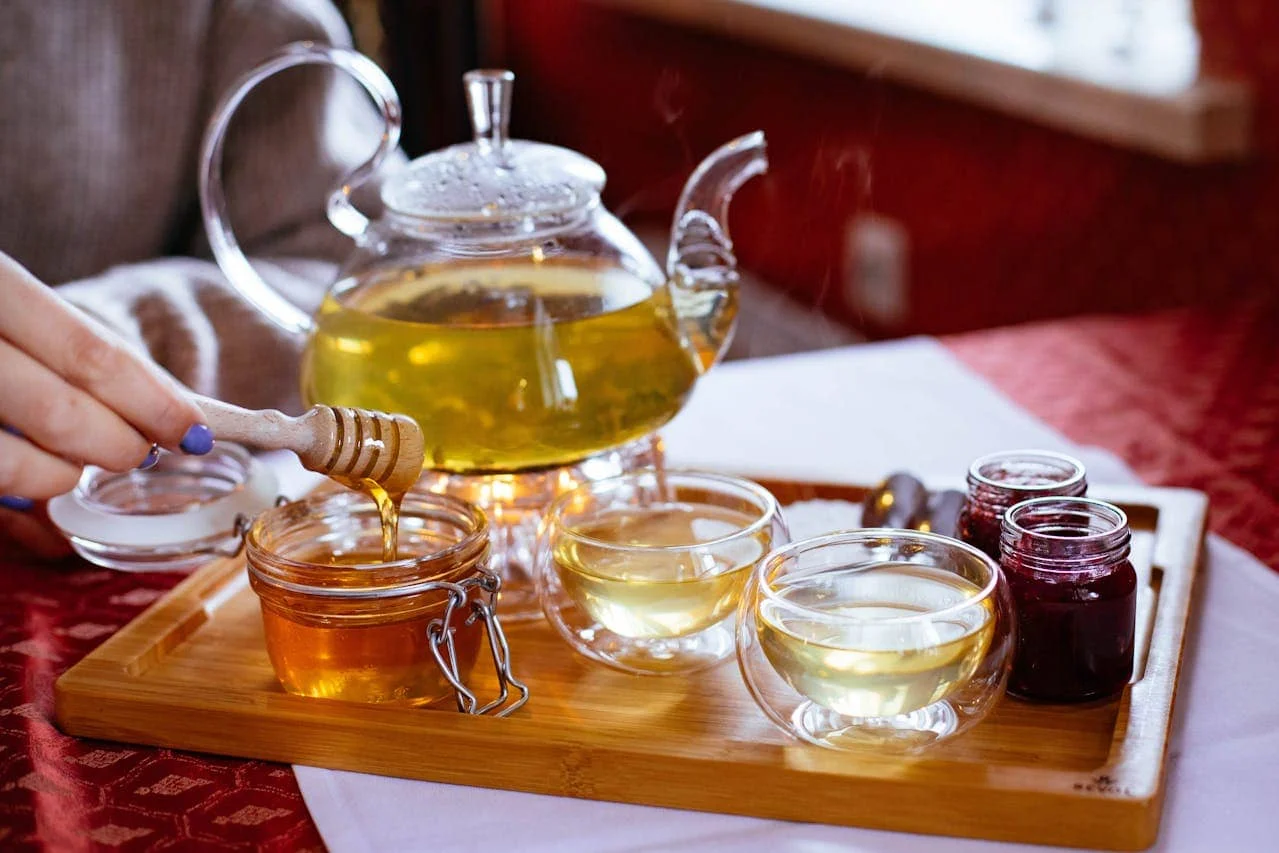
The Best Containers for Honey Storage
Choosing the right container is essential for preserving honey. Glass jars with airtight lids are ideal. They do not react with honey and help prevent air and moisture from entering.
Benefits of Glass Jars
- Non-reactive: they do not alter the chemical composition of honey.
- Airtight: they protect honey from moisture and air.
- Transparent: they make it easy to check the condition of the honey.
Crystallized Honey: Causes and Solutions
Honey crystallization is a natural and harmless process. It occurs when the glucose naturally present in honey forms crystals. Storage temperature, the type of honey, and its purity can influence how quickly crystallization happens.
How to Decrystallize Honey
To decrystallize honey, place the jar in warm water, but not boiling water, and stir gently until the crystals dissolve.
Tips to Help Prevent Honey Crystallization
- Store at room temperature and avoid temperature fluctuations.
- Use airtight jars to prevent moisture from entering.
- Avoid refrigeration, as cold temperatures can speed up crystallization.
Storing Honey in Jars
Glass jars or food-grade plastic containers are excellent options for storing honey. Make sure the lid is tightly sealed to help prevent oxidation and moisture exposure.
Tips for Optimal Storage
- Fill the jar properly, leaving as little air space as possible.
- Keep honey away from light to help preserve its natural properties.
Storing Honey in Bulk
For larger quantities, food-grade plastic buckets with airtight lids are recommended.
Precautions for Bulk Honey
- Avoid moisture by storing honey in a dry place.
- Control the temperature and keep it stable.

Storing Honey in the Refrigerator
Although honey can technically be stored in the refrigerator, it is not recommended for long-term storage. Cold temperatures can cause honey to crystallize more quickly.
When Should Honey Be Refrigerated?
- For temporary storage if you live in a very hot region.
- For certain types of honey products, such as honeycomb, when needed to keep it properly sealed and protected.
How to Preserve the Quality of Organic Honey
Organic honey requires the same care as conventional honey, with extra attention to avoiding cross-contamination.
Best Practices for Organic Honey
- Use dedicated containers to avoid contact with other substances.
- Keep the storage environment clean and controlled.
Honey Shelf Life and Long-Term Storage
Honey is one of the few foods that does not truly expire when stored correctly. However, its quality may gradually decline over time.
How to Optimize Honey’s Shelf Life
- Store it under ideal conditions: stable temperature and airtight containers.
- Avoid direct light to keep the honey fresh and flavorful.
Protecting Honey from Moisture
Moisture is honey’s biggest enemy. It can cause fermentation, especially if honey is stored in containers that are not properly sealed.
Preventive Measures
- Use desiccants in very humid areas when appropriate.
- Check containers regularly to make sure they are tightly closed.
Liquid Honey vs. Solid Honey
Honey can be liquid or solid depending on its storage temperature and natural composition. Each form has its own advantages and best uses.
Preferences and Uses
- Liquid honey: ideal for recipes and tea.
- Solid honey: perfect for spreading on toast.
Honey Care: Practical Tips
Regular care helps maintain honey’s longevity and quality. This includes keeping jars and utensils clean.
Best Practices
- Use clean utensils to avoid contamination.
- Clean the rims of jars to prevent residue buildup.
Artisanal Honey and Storage
Artisanal honey, often unpasteurized, requires special care to preserve its raw qualities.
Storing Artisanal Honey
- Store at room temperature and avoid extreme temperatures.
- Use glass jars to help maintain the honey’s purity.
Conclusion
Properly storing honey is essential to preserve its nutritional qualities, flavor, and texture. By following these practical tips, you can enjoy this delicious natural nectar for a long time. Whether stored in jars, in bulk, or temporarily in the refrigerator, each method has specific considerations to ensure optimal preservation.
FAQ
How can honey crystallization be avoided?
To help prevent crystallization, store honey at room temperature in an airtight container. Avoid refrigerating it.
Can honey expire?
No, honey does not expire if it is stored correctly. However, its quality may deteriorate over time.
Can honey be stored in the refrigerator?
Honey can be stored in the refrigerator, but it is not recommended because it may accelerate crystallization.
What is the best container for storing honey?
Glass jars with airtight lids are the best choice for storing honey.
How do you decrystallize honey?
Place the jar in warm water and stir gently until the crystals dissolve.
What is the ideal temperature for storing honey?
The ideal temperature for storing honey is between 10 and 20 degrees Celsius.
Display prices in:CAD