Profitez de la livraison GRATUITE avec un achat de 300$+ avant taxes.
Honey and Children: Benefits and Precautions
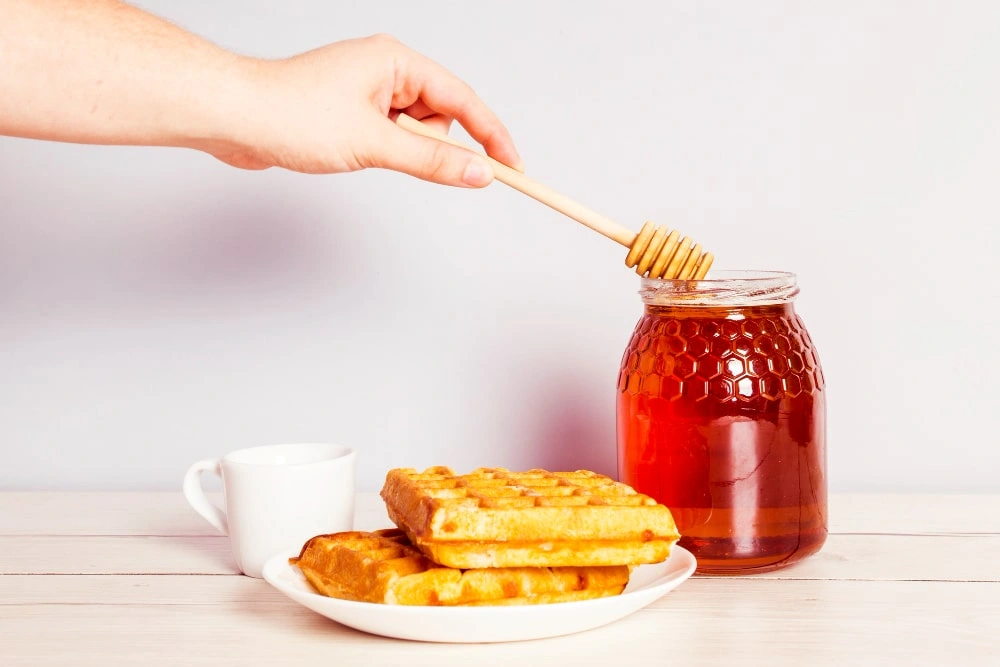 Honey is a natural food appreciated for its sweet taste, comforting texture, and many traditional uses. For children, it can be a delicious ingredient in snacks, drinks, and homemade recipes. However, it is important to know the right age to introduce honey and the precautions to follow.
Honey should never be given to babies under one year old, whether raw, pasteurized, cooked, or added to food, water, formula, or a pacifier. Health Canada states that honey is the only food linked to infant botulism in Canada, and the CDC also advises not giving honey to children before 12 months of age.
Why Honey Is Not Recommended Before Age One
Infants under 12 months have an immature digestive system. Honey can contain spores of Clostridium botulinum, which may cause infant botulism, a rare but serious form of food poisoning.
For this reason, honey should not be used in any form for babies under one year old. This includes honey in recipes, baked goods, drinks, homemade remedies, or on a soother. The Institut national de santé publique du Québec also specifies that both pasteurized and unpasteurized honey can pose a risk before age one.
When Can Children Eat Honey?
Healthy children over one year old can usually consume honey safely. By this age, their intestinal flora is more developed and better able to protect against the bacteria responsible for infant botulism.
Honey should still be introduced gradually, in small amounts, as part of a balanced diet.
Benefits of Honey for Children Over One Year Old
A Natural Sweetener
Honey can be used as a natural alternative to refined sugar in certain recipes. It adds sweetness, flavor, and aroma to foods such as yogurt, toast, oatmeal, smoothies, and homemade desserts.
A Comforting Ingredient for the Throat
Honey is often used to soothe the throat and calm irritation. Its smooth texture coats the throat and makes warm drinks more comforting.
A Source of Quick Energy
Honey contains natural sugars that provide quick energy. It can be useful in small amounts for active children, especially in snacks before outdoor activities or sports.
A Flavorful Ingredient in Homemade Recipes
Honey can be added to muffins, granola bars, sauces, marinades, fruit salads, and warm drinks. It brings a natural sweetness and helps make recipes more enjoyable for children.
 Precautions When Giving Honey to Children
Avoid Before 12 Months
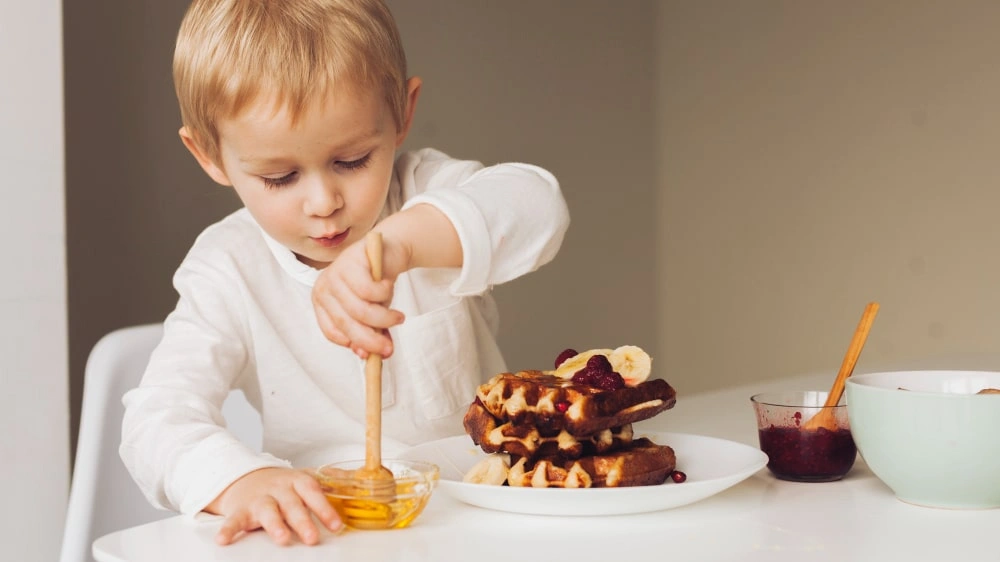
This is the most important precaution. Never give honey to a baby under one year old, even in tiny amounts.
Use Moderation
Honey is natural, but it is still sugar. It should be used in small amounts to avoid excessive sugar intake.
 Protect Dental Health
Like other sweet foods, honey can contribute to tooth decay if consumed too often. Encourage children to brush their teeth regularly and avoid giving honey right before bedtime without brushing afterward.
Watch for Allergic Reactions
Although uncommon, some children may react to honey or pollen traces. Introduce honey gradually and monitor for unusual symptoms.
Avoid Very Hot Drinks
If adding honey to tea, warm milk, or herbal tea, let the liquid cool slightly first. This helps preserve the honey’s delicate aroma and reduces the risk of burns.
How to Add Honey to a Child’s Diet
In Breakfasts
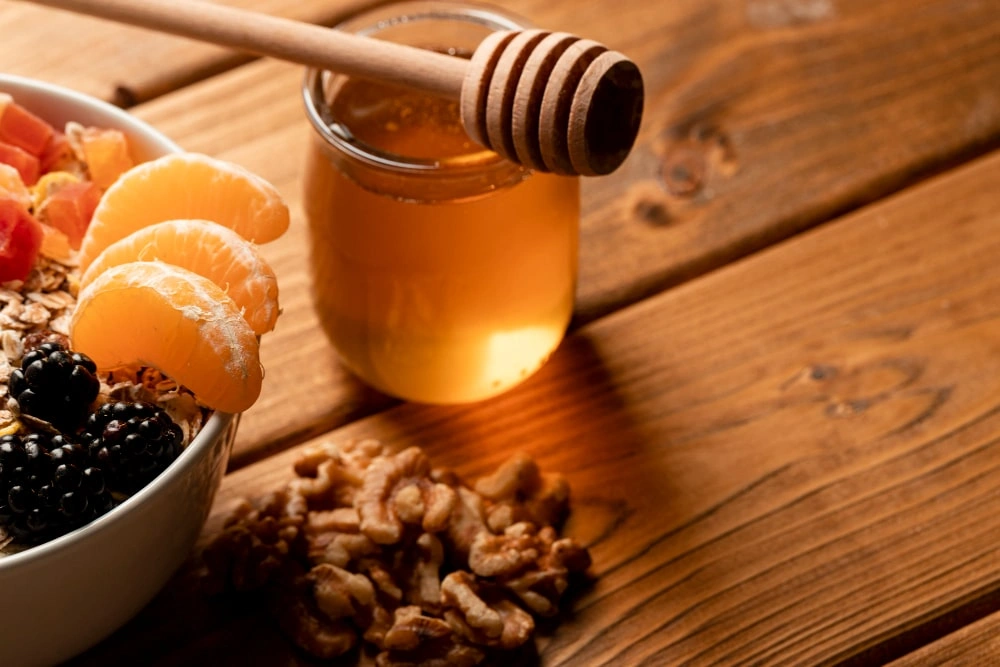
Add a small drizzle of honey to oatmeal, plain yogurt, toast, pancakes, or homemade granola.
In Snacks
Honey can be used in energy bites, fruit dips, homemade bars, or smoothies.
In Warm Drinks
For children over one year old, honey can be added to warm water, milk, or herbal tea when appropriate.
In Cooking and Baking
Honey can sweeten muffins, cakes, sauces, dressings, and marinades. Because honey is sweeter than sugar and adds moisture, recipes may need slight adjustments.
Choosing the Right Honey for Children
Choose a pure, high-quality honey with no added syrups or artificial ingredients. Local honey is often appreciated for its freshness, traceability, and authentic flavor.
Mild honeys are usually preferred for children because their taste is softer and easier to enjoy.
Conclusion
Honey can be a delicious and useful ingredient for children over one year old. It can sweeten recipes naturally, provide quick energy, and bring comfort in warm drinks or homemade snacks.
However, the key precaution is essential: honey must never be given to babies under 12 months because of the risk of infant botulism. After age one, honey can be enjoyed in moderation as part of a balanced diet.
FAQ
Can babies under one year old eat honey?
No. Honey should never be given to babies under one year old because of the risk of infant botulism.
Is cooked honey safe for babies?
No. Honey should not be given to babies under one year old, even if it has been cooked or baked into a recipe.
At what age can children eat honey?
Healthy children can generally eat honey after 12 months of age.
Is honey better than sugar for children?
Honey is natural and flavorful, but it is still a source of sugar. It should be used in moderation.
Can honey help soothe a child’s throat?
For children over one year old, honey can help soothe the throat thanks to its smooth texture and comforting effect.
What type of honey is best for children?
A mild, pure honey with no added syrups is usually a good choice for children over one year old.
Display prices in:CAD