Profitez de la livraison GRATUITE avec un achat de 300$+ avant taxes.
The Health Benefits of Honey: A Natural Treasure
 Discover the health benefits of honey, a true natural treasure from the beekeeper’s hive. Learn more about its virtues, properties, and everyday uses.
Introduction
Honey, produced by bees from flower nectar, is much more than a simple natural sweetener. For thousands of years, this golden treasure has been appreciated not only for its delicious taste, but also for its many health benefits.
In this article, we will explore the virtues of honey, its composition, and its medicinal and culinary uses. Discover why this precious nectar deserves a special place in your diet and in your natural care routine.
The Origins of Honey
The Role of Bees and Beekeepers
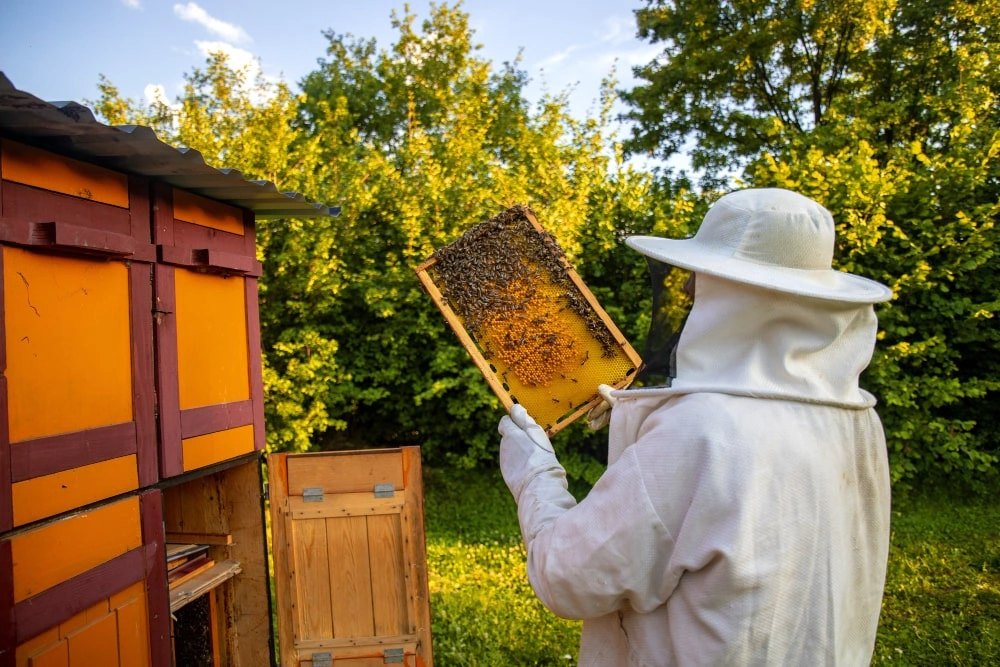
Bees are fascinating social insects that play a crucial role in honey production. They collect nectar from flowers, transform it into honey, and store it in the hive.
Beekeepers help ensure the health of the hives, harvest the honey, and prepare it for consumption. Their work is essential not only for honey production, but also for plant pollination, which is vital for the ecosystem.
Honey Harvesting and Processing
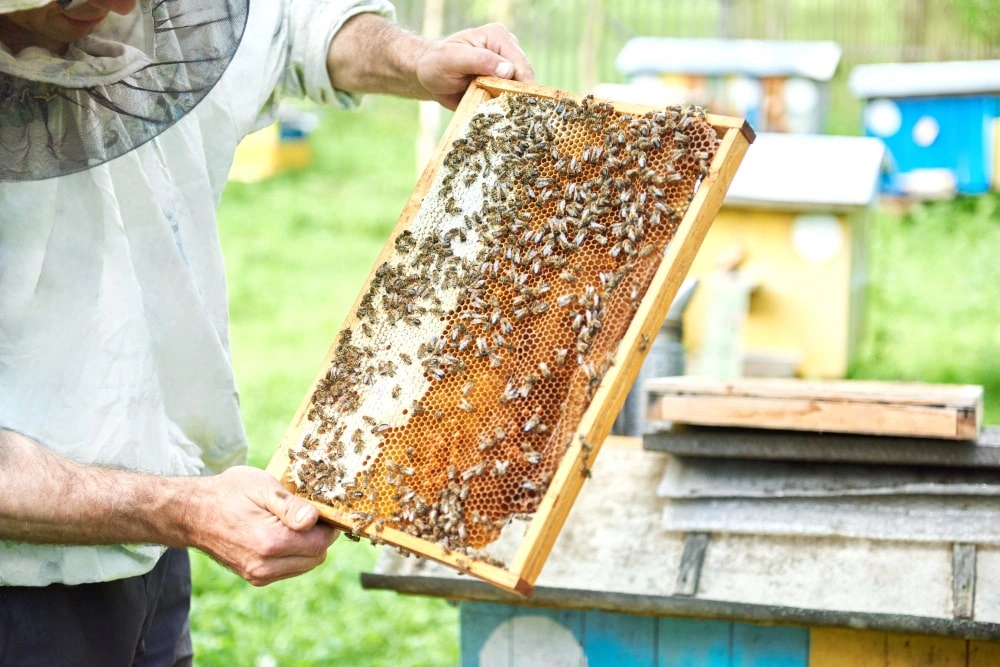
Honey harvesting is a delicate process. Beekeepers remove honey-filled frames from the hives, uncap the beeswax, and spin the frames in an extractor to release the honey.
The honey is then filtered and sometimes gently warmed before being placed in jars for sale.
The Components of Honey
Natural Sugars: Fructose and Glucose
Honey is mainly composed of two natural sugars: fructose and glucose. These sugars are easy to digest and provide a quick source of energy.
Unlike refined sugar, honey also contains small amounts of vitamins and minerals.
Vitamins and Minerals
Honey contains vitamins and minerals such as B vitamins, vitamin C, calcium, iron, magnesium, and potassium. These nutrients help support general wellness, metabolism, and bone health.
Enzymes and Organic Acids
The enzymes naturally present in honey, such as invertase and amylase, help break down complex sugars and support digestion.
Organic acids contribute to honey’s unique flavor and natural antibacterial properties.
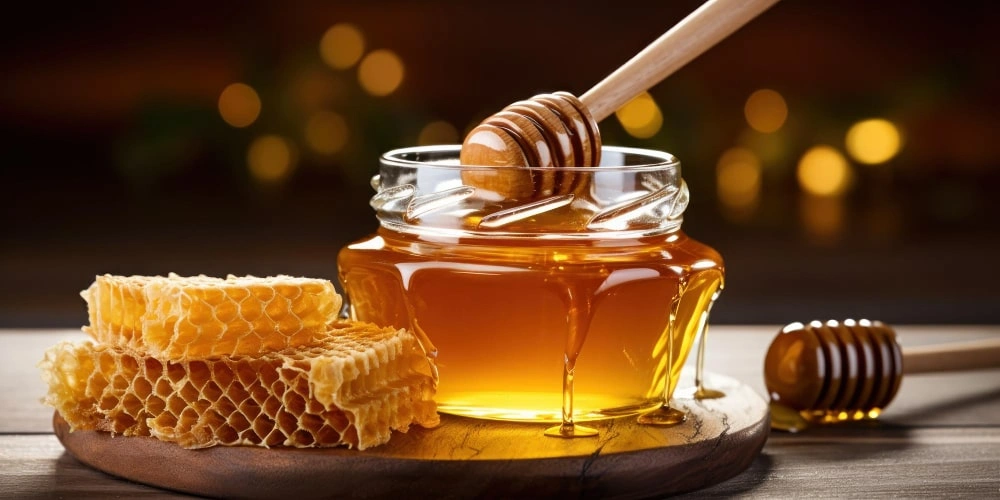 The Health Benefits of Honey
Antiseptic and Antibacterial Properties
Honey has natural antiseptic and antibacterial properties. It can help support the care of minor wounds and burns by creating a protective barrier and helping limit bacterial growth.
Effects on the Digestive System
Honey may help soothe the digestive system. It is often used to help ease discomfort related to acid reflux or gastritis, while its enzymes can support the digestion of food.
Immune System Support
Thanks to its antioxidant and antibacterial properties, honey may help support the immune system. Regular consumption, as part of a balanced diet, can contribute to overall wellness.
Types of Honey and Their Specific Benefits
Thyme Honey and Its Benefits
Thyme honey is known for its powerful antiseptic and antibacterial properties. It is often used to support respiratory comfort and soothe sore throats.
Its high content of phenolic compounds gives it interesting antimicrobial qualities.
Acacia Honey: Sweetness and Wellness
Acacia honey is appreciated for its mild taste and lower glucose content, which helps it stay liquid longer.
It is also valued for its antioxidants, which help protect the body’s cells from oxidative stress.
Chestnut Honey: A Natural Tonic
Chestnut honey is known for its tonic and revitalizing qualities. Rich in minerals such as potassium and magnesium, it is appreciated by those looking to support vitality.
It is also often associated with circulatory wellness.
 Pollen and Royal Jelly
The Nutritional Richness of Pollen
Bee pollen is a rich source of nutrients, including proteins, amino acids, vitamins, and minerals. It is often considered a superfood and is used to support energy and immune health.
Royal Jelly: A Superfood from the Hive
Royal jelly is secreted by worker bees and used to feed the queen. This exceptional hive product is rich in B vitamins, amino acids, and antioxidants.
It is appreciated for its revitalizing qualities and its support for general wellness.
Honey in Traditional Medicine
Use in Wound Care
Honey has been used for centuries to help care for wounds and burns. Its antiseptic and antibacterial properties can help reduce the risk of infection and support the natural healing process.
Natural Remedy for Sore Throats
Honey is a well-known remedy for sore throats. Its soothing texture helps calm irritation, while its antibacterial properties can offer additional support.
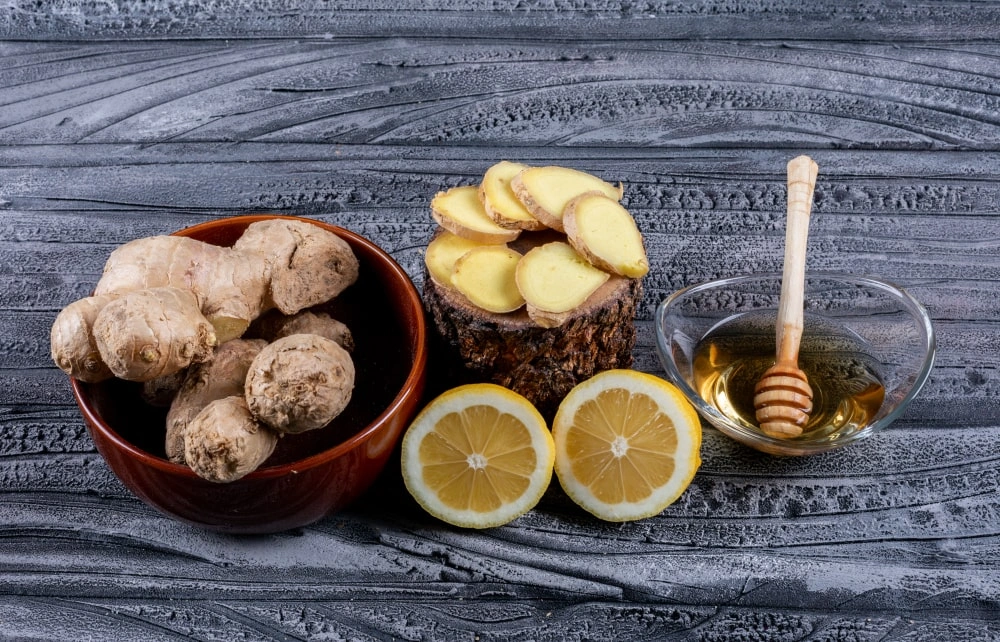
A mixture of honey and lemon in warm water is a classic home remedy for throat discomfort.
Seasonal Allergy Support
Some people believe that consuming local honey may help reduce seasonal allergy symptoms because it contains small amounts of pollen. This traditional use remains popular, especially among those who prefer natural wellness approaches.
 Honey in Cooking
A Natural Sweetener
Honey is an excellent substitute for refined sugar in many recipes. Its natural sweetness and rich flavor make it ideal for sweetening drinks, desserts, and even certain savory dishes.
It also adds a depth of flavor that regular sugar cannot offer.
Sweet and Savory Recipes
Honey can be used in many recipes, from pastries and desserts to main dishes and marinades.
It pairs especially well with meats, roasted vegetables, sauces, and dressings. A honey-mustard vinaigrette is a simple and delicious way to enjoy its sweet and tangy flavor.
Buying and Storing Honey
Tips for Choosing Quality Honey
To fully enjoy the benefits of honey, choose a quality product. Raw, unpasteurized honey is often preferred, especially when it is local and traceable.
Read labels carefully and avoid honey that contains additives or preservatives.
How to Store Honey
Honey keeps very well at room temperature in a dry place away from direct sunlight.
It may crystallize over time, but this does not affect its quality. To make it liquid again, gently warm the jar in a water bath.
Beekeepers and Their Essential Role
The Importance of Beekeeping for the Environment
Beekeepers play an important role in preserving bees and their habitat. By maintaining healthy hives and encouraging floral diversity, they contribute to pollination, which is essential for food production and biodiversity.
Protecting Bees
Bee populations face several challenges, including pesticides, diseases, and habitat loss. Through sustainable practices and their commitment to conservation, beekeepers help protect these precious pollinators.
 Conclusion
Honey is a natural treasure with many health benefits. From its antiseptic properties to its nutritional qualities, this hive product is much more than a simple sweetener.
By incorporating honey into your diet and daily care routine, you can enjoy its many beneficial properties while supporting beekeepers and the protection of bees.
FAQ
Why is honey good for your health?
Honey is valued for its antiseptic, antibacterial, and antioxidant properties. It also contains vitamins, minerals, and beneficial enzymes.
Which types of honey have specific benefits?
Different honeys, such as thyme, acacia, and chestnut honey, each have specific qualities. Thyme honey is known for its antiseptic properties, acacia honey for its mild taste, and chestnut honey for its tonic character.
How does honey help with wound care?
Honey can help with wound care thanks to its antiseptic and antibacterial properties, which help reduce the risk of infection and support healing.
Can honey help reduce allergy symptoms?
Some people use local honey to help with seasonal allergies because it contains small amounts of pollen, although results may vary from person to person.
What is the best way to store honey?
Honey should be stored at room temperature, in a dry place, away from direct sunlight. Crystallization is natural and does not affect quality.
Why are bees important for the environment?
Bees are essential pollinators. Without them, many plants and crops would have difficulty reproducing, which would directly affect biodiversity and food production.
Display prices in:CAD