Profitez de la livraison GRATUITE avec un achat de 300$+ avant taxes.
Honey and Diabetes: What You Need to Know
 Honey is often seen as a more natural alternative to refined sugar. However, for people living with diabetes, it is important to understand how honey affects blood sugar levels before adding it to the diet.
Although honey contains natural compounds and may offer certain nutritional qualities, it remains a source of sugar and carbohydrates. Like table sugar, honey can raise blood glucose levels and should be consumed with care. Mayo Clinic notes that there is generally no advantage to replacing sugar with honey in a diabetes eating plan because both affect blood sugar.
What Is Diabetes?
Diabetes is a chronic condition that affects how the body uses blood sugar, also called glucose. Glucose is an important source of energy for the body, but when blood sugar levels are too high over time, serious health complications can occur.
There are different types of diabetes, including type 1 diabetes, type 2 diabetes, and gestational diabetes. Each type requires proper management, medical follow-up, and attention to diet, physical activity, medication, and blood glucose monitoring.
Honey: A Natural Sweetener, But Still a Sugar
Honey is produced by bees from flower nectar. It contains mainly natural sugars, including fructose and glucose. These sugars give honey its sweet taste and provide quick energy.
However, even though honey is natural, it is still a concentrated source of carbohydrates. For people with diabetes, this means honey must be counted as part of total carbohydrate intake.
Does Honey Raise Blood Sugar?
Yes. Honey can raise blood sugar levels because it contains natural sugars. The effect can vary depending on the quantity consumed, the person’s metabolism, the rest of the meal, physical activity, and diabetes treatment plan.
For this reason, honey should not be treated as a “free” or unlimited food for people with diabetes.
Is Honey Better Than White Sugar?
Honey may contain small amounts of antioxidants, enzymes, minerals, and aromatic compounds that white sugar does not contain. However, from a blood sugar perspective, honey and sugar both affect glucose levels.
Honey may taste sweeter than sugar, which means some people use a smaller amount. Still, moderation remains essential.
Can People with Diabetes Eat Honey?
Some people with diabetes may be able to include small amounts of honey in their diet, but this should be done carefully and ideally with guidance from a healthcare professional, registered dietitian, or diabetes educator.
Important points to remember:
- Honey should be counted as a source of carbohydrates.
- Portions should remain small.
- Blood glucose response should be monitored.
- Honey should not replace prescribed treatment.
- Individual tolerance can vary from one person to another.
How to Use Honey More Carefully
Use Small Quantities
A small amount of honey can add flavor without greatly increasing the total sugar content of a recipe. For example, use a light drizzle instead of several spoonfuls.
Pair Honey with Fiber, Protein, or Healthy Fats
Consuming honey with foods that contain fiber, protein, or healthy fats may help slow digestion and reduce rapid blood sugar spikes.
Avoid Adding Honey to Already Sweet Foods
Avoid combining honey with sweetened cereals, desserts, pastries, sweet drinks, or other sugary foods.
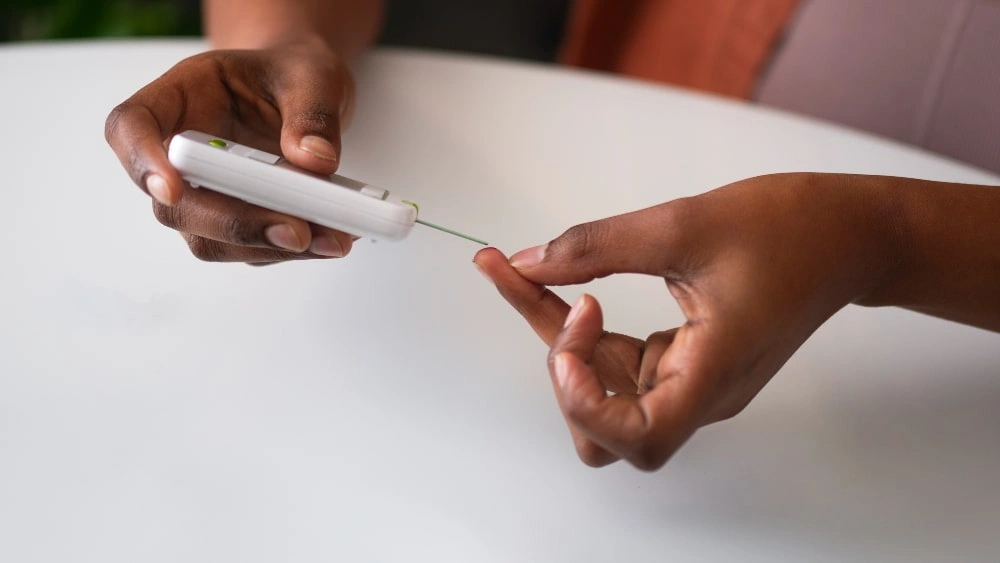
Monitor Blood Sugar
People with diabetes should monitor how their body responds to honey. Blood glucose levels can vary depending on portion size and meal composition.
Honey in Drinks
Adding honey to tea, herbal tea, warm water, or coffee may seem like a healthy habit, but it still adds sugar. If you use honey in drinks, keep the quantity small and avoid adding it several times per day.
For people who need stricter blood sugar control, unsweetened drinks may be a better everyday choice.
Honey in Recipes for People with Diabetes
Honey can sometimes be used in recipes, but the total carbohydrate content must be considered. When replacing sugar with honey, remember that honey adds sweetness, moisture, and carbohydrates.
For a more balanced recipe:
- Use less honey than the amount of sugar normally required.
- Add fiber-rich ingredients such as oats, nuts, seeds, or whole grains.
- Keep portions small.
- Avoid combining honey with other high-sugar ingredients.
 Choosing Quality Honey
If you choose to consume honey, select a pure, high-quality honey with no added syrups or artificial ingredients. Local or raw honey may offer more aroma and natural character, but it still contains sugar and must be consumed responsibly.
Important Precautions
Honey is not a treatment for diabetes. It should not be used to lower blood sugar or replace medical care. Anyone with diabetes should follow the advice of their healthcare team regarding sugar intake, carbohydrate counting, and medication.
Honey should also never be given to children under one year old because of the risk of infant botulism.
Conclusion
Honey is a natural and flavorful sweetener, but for people with diabetes, it must be consumed with caution. Although it may contain small amounts of beneficial compounds, honey still contains sugars that can raise blood glucose levels.
The safest approach is moderation, portion control, and personalized advice from a healthcare professional. When used carefully, honey may occasionally fit into a balanced diet, but it should always be counted as a carbohydrate source.
FAQ
Can people with diabetes eat honey?
Some people with diabetes may be able to eat small amounts of honey, but it should be done with caution and counted as part of total carbohydrate intake.
Does honey raise blood sugar?
Yes. Honey contains natural sugars and can raise blood glucose levels.
Is honey better than white sugar for diabetes?
Honey may contain small amounts of natural compounds, but both honey and white sugar affect blood sugar levels. Honey should not be considered a risk-free substitute.
How much honey can a person with diabetes eat?
The appropriate amount depends on the person’s health, blood sugar control, diet, medication, and recommendations from their healthcare team.
Can honey replace diabetes medication?
No. Honey should never replace diabetes medication or medical treatment.
What is the best way to consume honey with diabetes?
Use small amounts, avoid combining it with other sugary foods, monitor blood sugar response, and ask a healthcare professional for personalized advice.
Display prices in:CAD