Profitez de la livraison GRATUITE avec un achat de 300$+ avant taxes.
The Role of Honey in Culture and Traditions
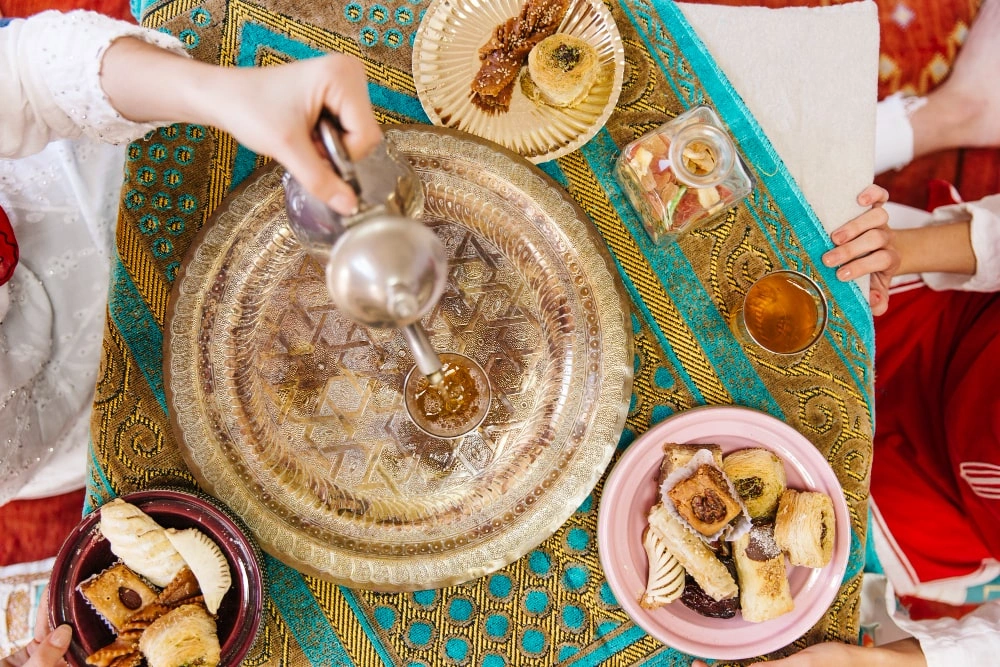
Honey has held a special place in cultures and traditions around the world for thousands of years. Appreciated for its sweetness, rarity, golden color, and natural origin, honey has often been associated with abundance, celebration, healing, hospitality, and spiritual symbolism.
From ancient rituals to festive recipes, honey continues to connect people with nature, bees, and traditional knowledge passed down through generations.
Honey: A Symbolic Food Through History
Long before refined sugar became widely available, honey was one of the most precious natural sweeteners. Because of its taste, preservation qualities, and connection to bees, honey quickly became more than just food.
In many cultures, honey has represented prosperity, purity, fertility, sweetness, and good fortune. It was often offered during ceremonies, used in traditional remedies, or served during important family and community gatherings.
Honey in Ancient Civilizations
Ancient Egypt
In ancient Egypt, honey was highly valued. It was used as food, as an offering, and in certain traditional preparations. Honey was associated with richness, preservation, and sacred practices.
Ancient Greece
In Greek culture, honey was connected to the gods, strength, and wisdom. It was used in foods, drinks, and ceremonial offerings. Honey also played a role in traditional medicine and daily nutrition.
Ancient Rome
Romans used honey in cooking, drinks, sauces, and preserved foods. It was also used in celebrations and as a valued ingredient in sweet and savory dishes.
 Honey in Religious and Spiritual Traditions
Honey appears in many spiritual and religious traditions. Its sweetness and golden color often symbolize blessing, purity, abundance, and divine generosity.
In some traditions, honey is offered during celebrations, shared during important meals, or used as a symbol of a sweet and prosperous life.
Honey in Family Traditions
Honey is often present in family recipes passed down from one generation to the next. Whether in desserts, breads, marinades, herbal teas, or holiday dishes, honey brings warmth and comfort to the table.
Many families associate honey with childhood memories, seasonal recipes, and special moments shared around meals.
Honey in Festive Recipes
Honey is widely used in traditional holiday recipes around the world.
It can be found in:
- Honey cakes
- Spiced breads
- Cookies
- Glazed meats
- Marinades
- Fruit desserts
- Warm drinks
- Traditional sweets
Its ability to pair with spices, nuts, citrus, fruits, and dairy products makes it a versatile ingredient for celebrations.
Honey and Traditional Remedies
Honey has long been used in traditional wellness practices. It is often added to warm drinks, lemon water, ginger infusions, or herbal teas for comfort during colder seasons.
Although honey should not replace medical care, it remains a popular ingredient in natural household traditions, especially for soothing the throat and adding natural sweetness to wellness recipes.
 Honey and Hospitality
Offering honey, honey-based desserts, or sweet drinks can symbolize welcome and generosity in many cultures. Because honey is associated with sweetness and abundance, it is often used to honor guests and create a warm atmosphere.
In this way, honey becomes more than an ingredient: it becomes a gesture of care and sharing.
Honey in Local Traditions
Local honey reflects the flowers, landscapes, and seasons of a region. Each honey tells a story of its environment, from wildflowers and forests to fields and orchards.
In Québec and Canada, honey is often connected to local agriculture, farmers’ markets, artisanal products, and seasonal traditions. Choosing local honey supports beekeepers and helps preserve regional food culture.
The Role of Beekeepers in Preserving Traditions
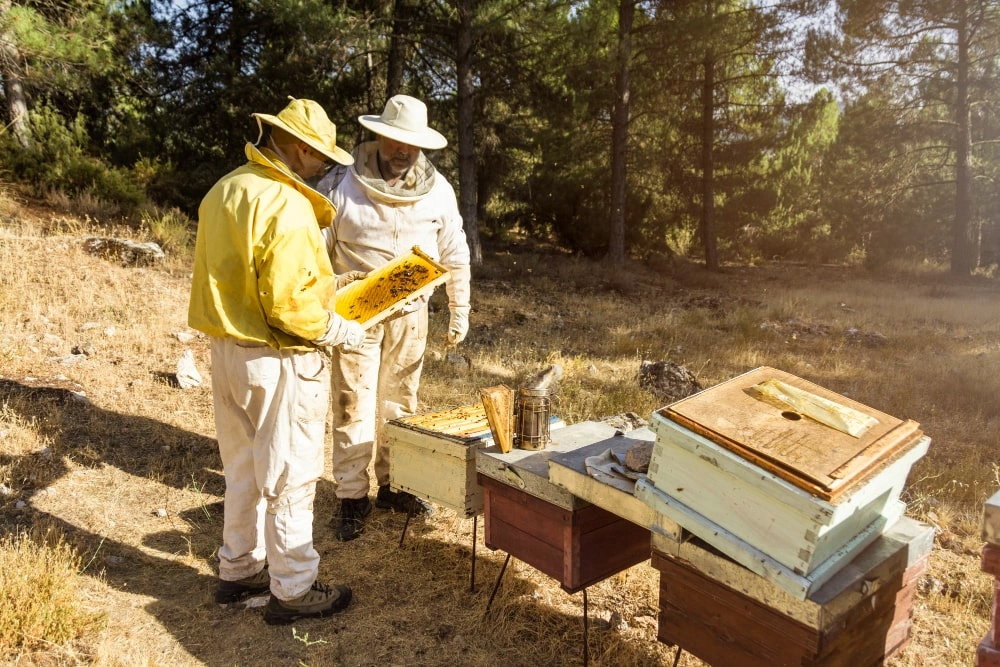
Beekeepers play an important role in keeping honey traditions alive. Through their work, they preserve knowledge about bees, nectar flows, harvesting, extraction, and honey quality.
They also help connect people with the importance of pollinators, biodiversity, and responsible food production.
Honey as a Cultural Link Between People and Nature
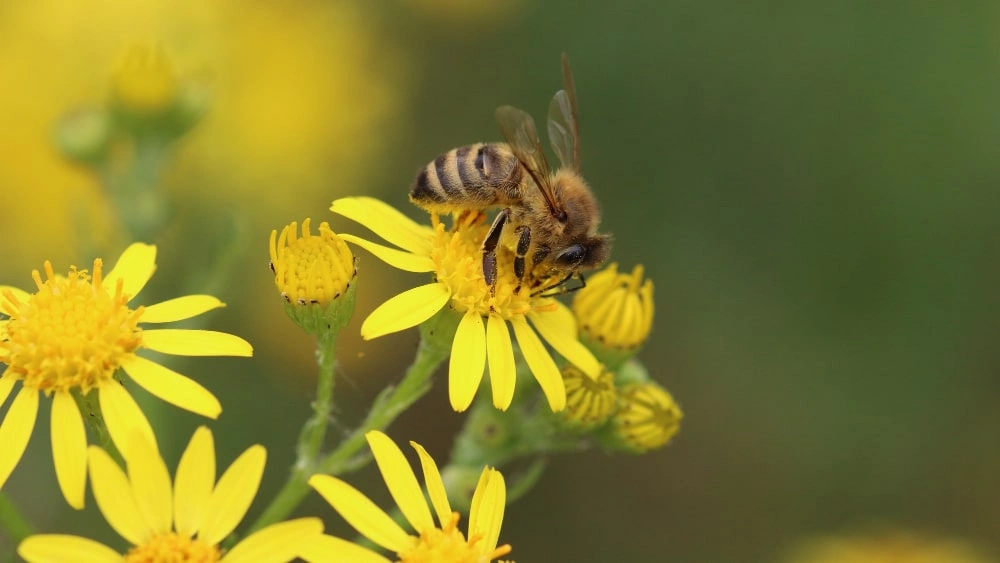
Honey reminds us of the close relationship between humans, bees, flowers, and the environment. Every jar of honey represents the work of thousands of bees and the richness of the surrounding landscape.
This connection makes honey a meaningful food that carries both natural and cultural value.
 Conclusion
Honey has always been more than a sweetener. Across cultures and generations, it has represented abundance, celebration, hospitality, health, and connection to nature.
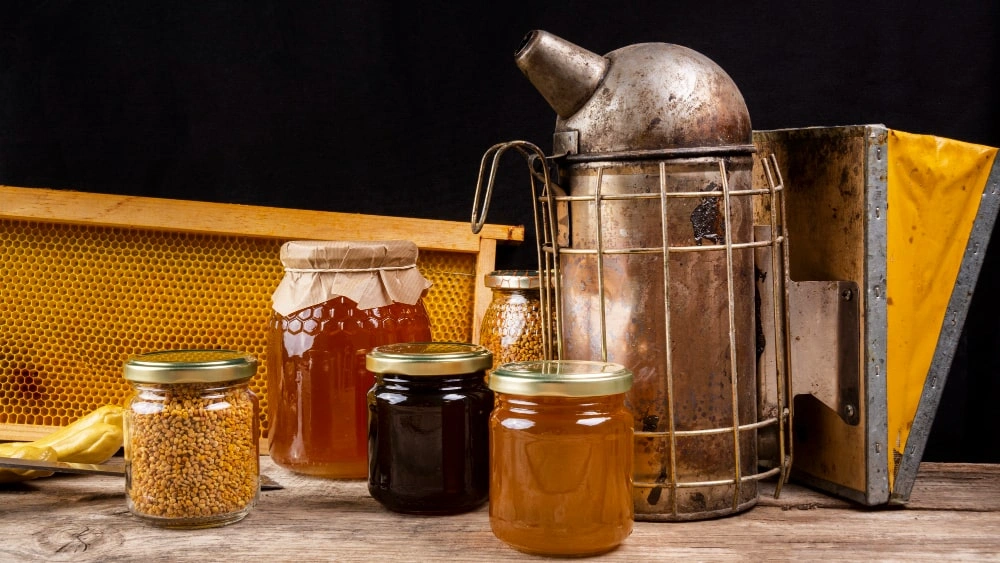
Whether used in festive recipes, family traditions, spiritual symbolism, or local food culture, honey continues to hold an important place in our lives. By choosing quality honey and supporting local beekeepers, we help preserve this precious heritage for future generations.
FAQ
Why is honey important in many cultures?
Honey is important because it has long been associated with sweetness, abundance, prosperity, hospitality, and natural wellness.
How was honey used in ancient civilizations?
Ancient civilizations used honey as food, in drinks, in traditional remedies, and as an offering during ceremonies or religious practices.
Why is honey used in holiday recipes?
Honey adds natural sweetness, aroma, moisture, and warmth to festive recipes such as cakes, cookies, breads, glazes, and warm drinks.
What does honey symbolize?
Honey often symbolizes sweetness, blessing, abundance, purity, fertility, and good fortune, depending on the culture.
Why choose local honey?
Local honey reflects the flowers and landscapes of a region. It also supports local beekeepers and regional food traditions.
What role do beekeepers play in honey traditions?
Beekeepers preserve traditional knowledge, care for bees, harvest honey responsibly, and help keep honey culture alive.
Display prices in:CAD